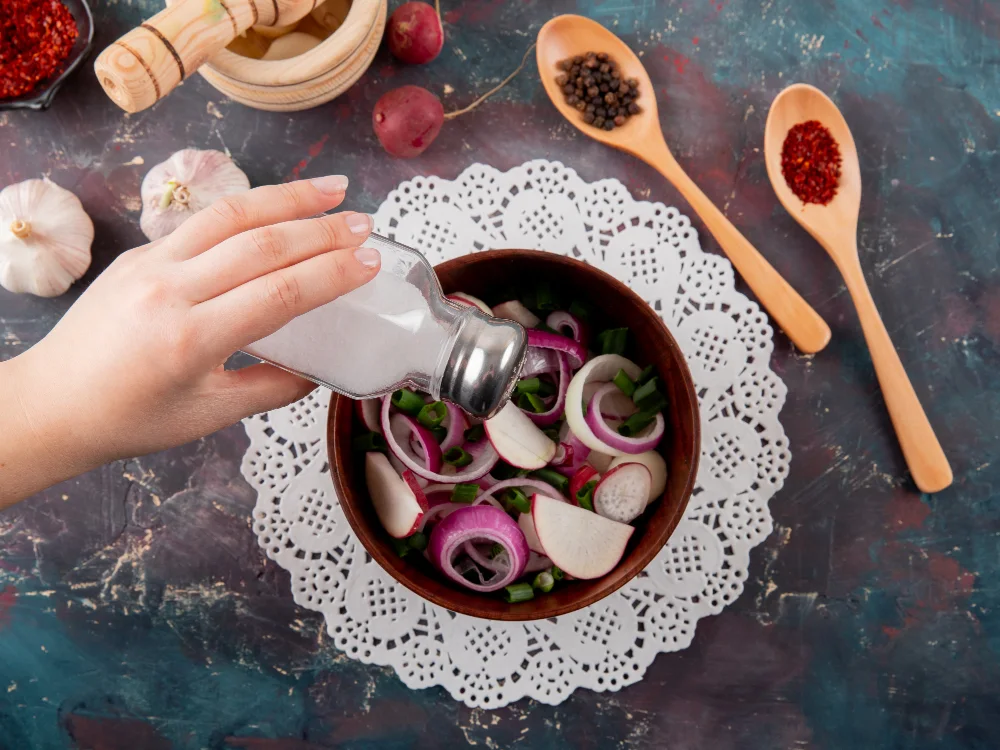
Salting vegetables at the right time can transform your cooking, enhancing both texture and flavor. However, the optimal timing for salting varies depending on the cooking method and type of vegetable. This guide explores when to salt vegetables for sautéing, roasting, and cooking watery vegetables, providing practical advice and a method table to help you decide.
The Science of Salting
Understanding how salt interacts with vegetables is key to mastering its use. Salt draws out moisture through osmosis, which can either enhance or detract from the texture of your dish. This process affects the cooking time, texture, and flavor concentration of vegetables.
Salting Before Cooking
Salting vegetables before cooking can help draw out excess moisture, especially in watery vegetables like zucchini and eggplant. This technique is beneficial when you want to avoid soggy textures in dishes like ratatouille or stir-fries. By allowing the vegetables to sit with salt for about 15-30 minutes, you can remove water that would otherwise steam the vegetables during cooking.
Example: For eggplant, slice and salt it, then let it sit in a colander. Rinse and pat dry before cooking to prevent excess saltiness.
Salting During Cooking
Adding salt during cooking can help season the vegetables evenly and enhance flavor development. This method is often used for sautéing, where the salt helps draw out moisture just enough to create a flavorful browning effect without making the vegetables mushy.
Example: When sautéing onions, add a pinch of salt at the start to help them sweat and caramelize more effectively.
Salting After Cooking
Salting after cooking is ideal for preserving the natural moisture and texture of vegetables. This technique works well for roasted vegetables, where you want to maintain a crisp exterior and tender interior. Salting after cooking also allows for better control over the final seasoning, as the salt remains on the surface.
Example: Roast carrots in the oven and sprinkle with salt immediately after removing them to enhance their sweetness and texture.
Method Table: When to Salt Vegetables
| Vegetable Type | Cooking Method | When to Salt | Reason |
|---|---|---|---|
| Watery (e.g., zucchini) | Sautéing | Before | Remove excess moisture to prevent sogginess |
| Root (e.g., carrots) | Roasting | After | Maintain crisp exterior and enhance sweetness |
| Alliums (e.g., onions) | Sautéing | During | Enhance caramelization and flavor |
Common Mistakes and How to Avoid Them
One common mistake is over-salting vegetables, especially when salting before cooking. Always rinse and dry vegetables if salting beforehand to avoid excessive saltiness. Another error is not adjusting the salt based on the vegetable's natural flavor; for instance, naturally sweet vegetables like carrots may require less salt.
Final Action Sequence for Perfectly Salted Vegetables
- Identify the vegetable type and cooking method.
- Refer to the method table to determine the best time to salt.
- Apply salt accordingly, adjusting for taste and moisture content.
- Monitor cooking to ensure desired texture and flavor.
- Adjust seasoning as needed before serving.