
Kitchen science
Why the method works
Cooking science, techniques, and recipes you can see
Spotlight
In this issue
-
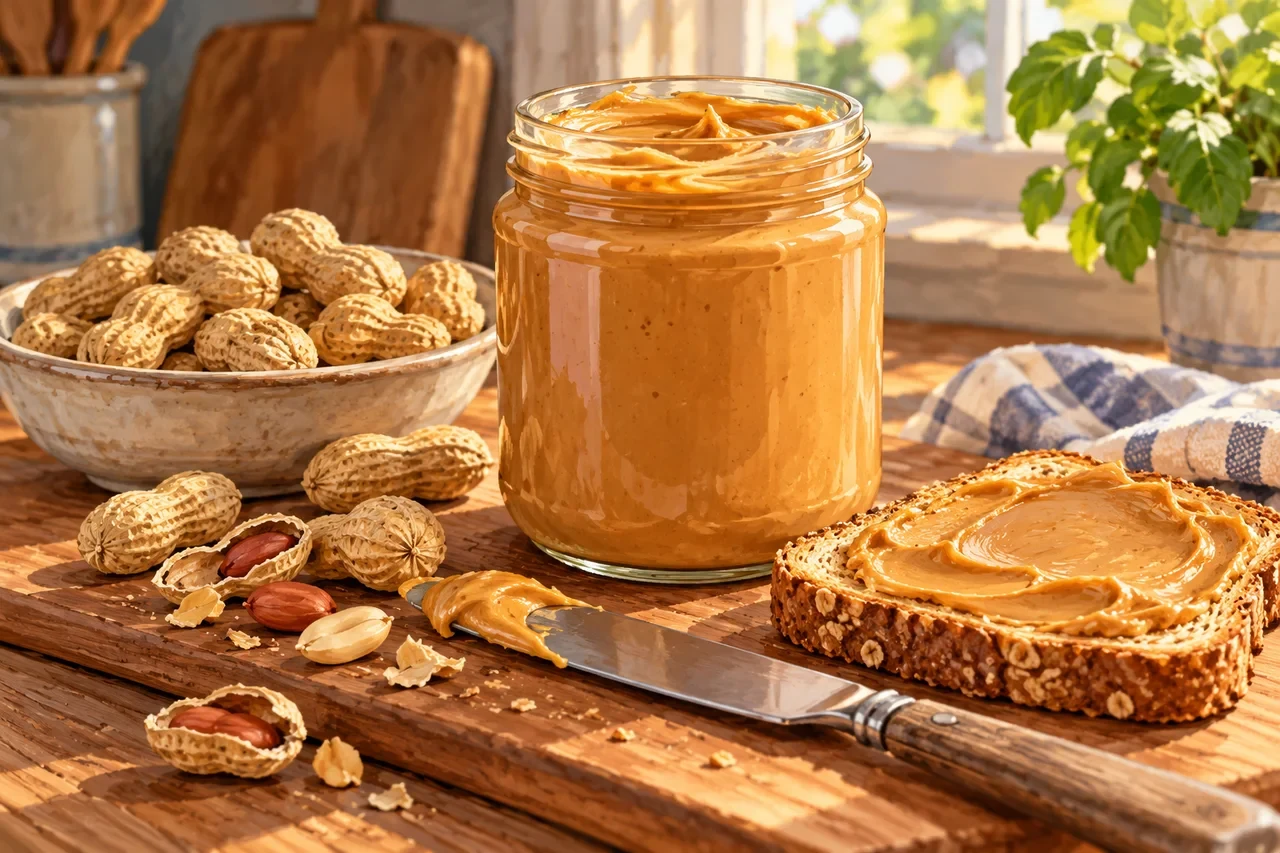
Is Peanut Butter Healthy? What Separates a Simple Jar From a Dessert Spread
Peanut butter can provide protein and unsaturated fats, but jars range from peanuts-and-salt to products with added sugars and different added fats. The name on the front does not tell you which one you picked.
-
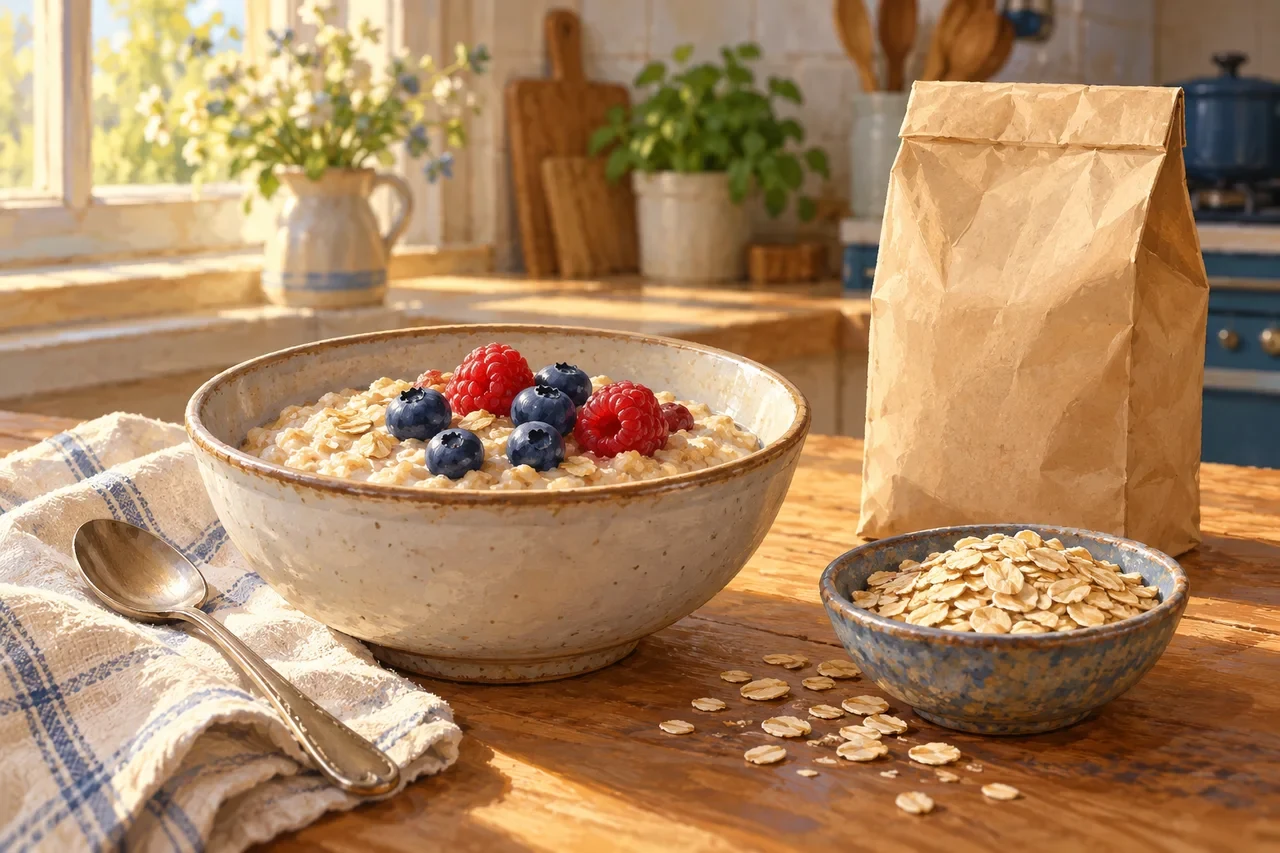
Is Instant Oatmeal Healthy? Oats Are Healthy—But the Packet Can Change the Story
Oats are a whole grain, and instant oats do not become junk food simply because they cook quickly. The meaningful difference often comes from flavored packets, added sugar, sodium and portion size.
-
Multigrain Bread Sounds Healthy—but Is It Whole Grain? Read This Before You Buy
Multigrain and whole grain describe different things. Use the ingredient list and equal-weight nutrition values to compare bread beyond its color and seeds.
-
Are Gluten-Free Snacks Healthier? Why 'Gluten-Free' Says Almost Nothing About Nutrition
Gluten-free labeling answers a gluten question, not a complete nutrition question. Compare snack portions, fiber, sugar and salt without overlooking dietary needs.
-

Is Kombucha Really Healthy? What We Know—and What the Bottle Marketing Exaggerates
Kombucha is fermented tea, not a medical treatment. Products vary in sugar, fermentation, alcohol content and live cultures, so broad promises about gut health deserve more caution than the label design suggests.
-
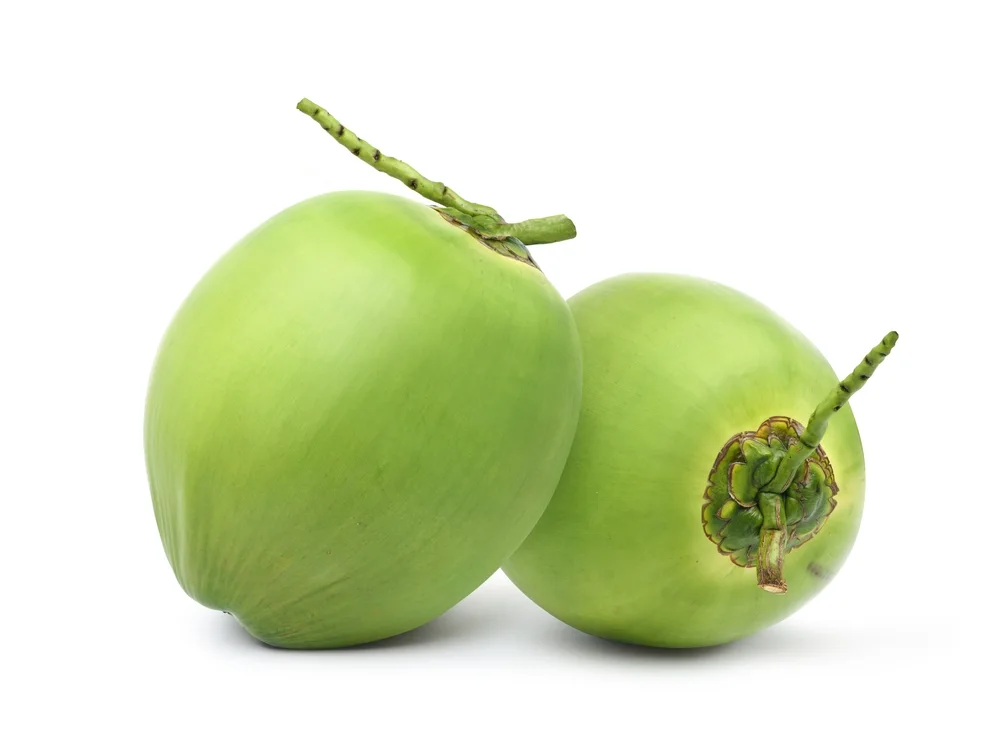
Is Coconut Water Actually Better Than Water? The Hydration Claim Explained
Coconut water contains electrolytes, but most ordinary days do not automatically require a specialty hydration drink. Sugar, serving size, exercise duration and what else you eat matter.
-
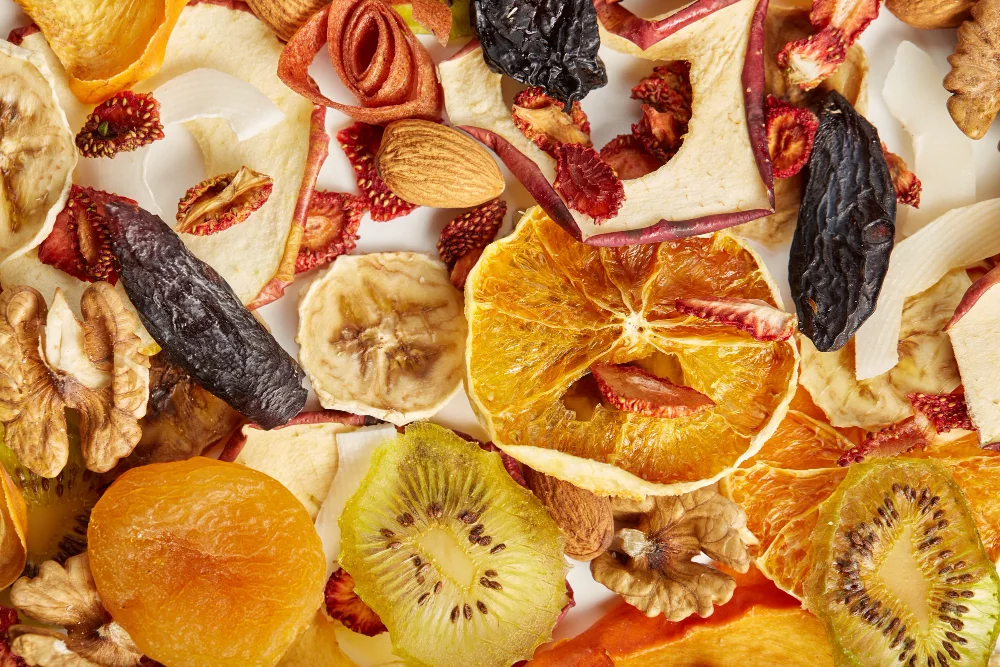
Is Dried Fruit Healthy or Just Concentrated Sugar? The Answer Depends on What You Compare
Drying fruit removes much of its water, concentrating both nutrients and naturally occurring sugar into a smaller volume. That makes dried fruit neither candy nor a free-food version of fresh fruit.