
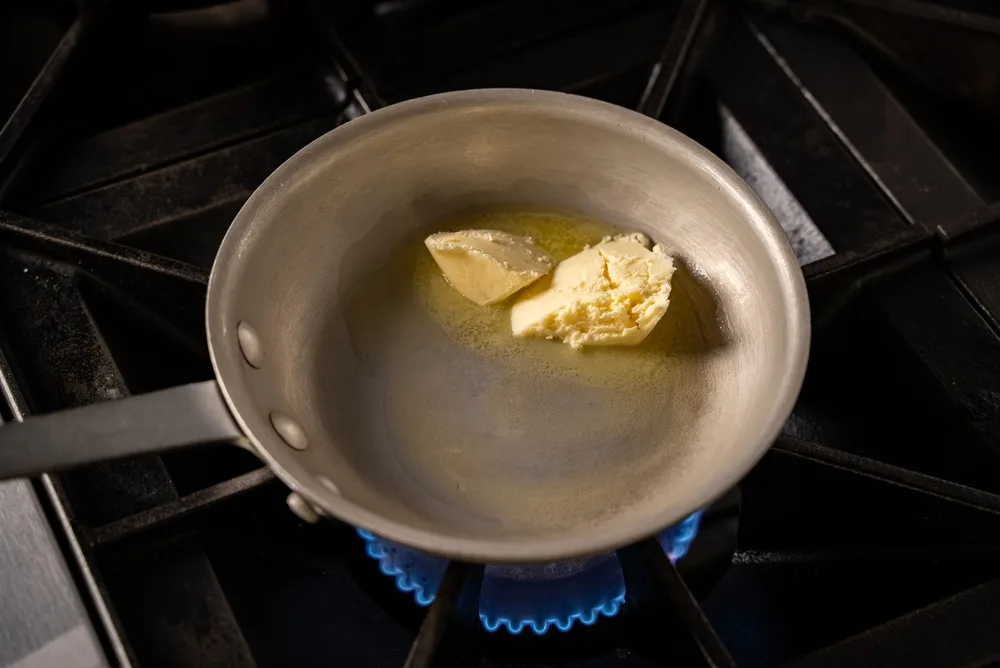
When it comes to cooking, the material of your pan can significantly influence the outcome of your dishes. Different materials conduct heat in various ways, affecting how quickly and evenly your food cooks. Understanding these differences can help you make more informed choices in the kitchen, leading to better cooking results.
Common Pan Materials
There are several common materials used in cookware, each with its unique properties:
- Stainless Steel: Known for its durability and resistance to rust and corrosion, stainless steel is a popular choice. However, it is not the best conductor of heat, which can lead to uneven cooking if not combined with a conductive core like aluminum or copper.
- Aluminum: Lightweight and an excellent conductor of heat, aluminum pans heat up quickly and distribute heat evenly. They are often anodized to prevent reactions with acidic foods.
- Copper: Copper offers superior heat conductivity and control, making it a favorite among professional chefs. However, it requires regular maintenance to prevent tarnishing and is often lined with another metal to prevent food reactions.
- Cast Iron: Known for its heat retention, cast iron heats slowly but maintains temperature well, making it ideal for slow cooking and frying. It requires seasoning to maintain its non-stick properties.
- Non-stick: Typically made with a coating over aluminum or stainless steel, non-stick pans are easy to clean and require less oil, but they may not withstand high heat as well as other materials.
Heat Control and Cooking Techniques
Choosing the right pan material can enhance your cooking techniques. For instance, if you are searing meat, a pan with excellent heat retention like cast iron is ideal. For delicate tasks like making sauces, copper’s precise heat control is beneficial.
Additionally, understanding how different materials react to heat can help you adjust your cooking techniques. For example, because stainless steel does not conduct heat as efficiently, preheating the pan properly is essential to avoid sticking.
Making the Right Choice
The choice of pan material should align with your cooking habits and the types of dishes you frequently prepare. Consider the following tips when selecting cookware:
- For general use, a combination of stainless steel with an aluminum core offers durability and decent heat distribution.
- If you often cook acidic foods, opt for anodized aluminum or lined copper to prevent reactions.
- For high-heat cooking, such as frying or searing, cast iron or stainless steel pans are preferable.
- For easy cleanup and low-fat cooking, non-stick pans are a convenient option.
In conclusion, the material of your cookware plays a crucial role in heat control and cooking efficiency. By understanding the properties of different materials, you can select the right pan for your needs and enhance your culinary skills.